
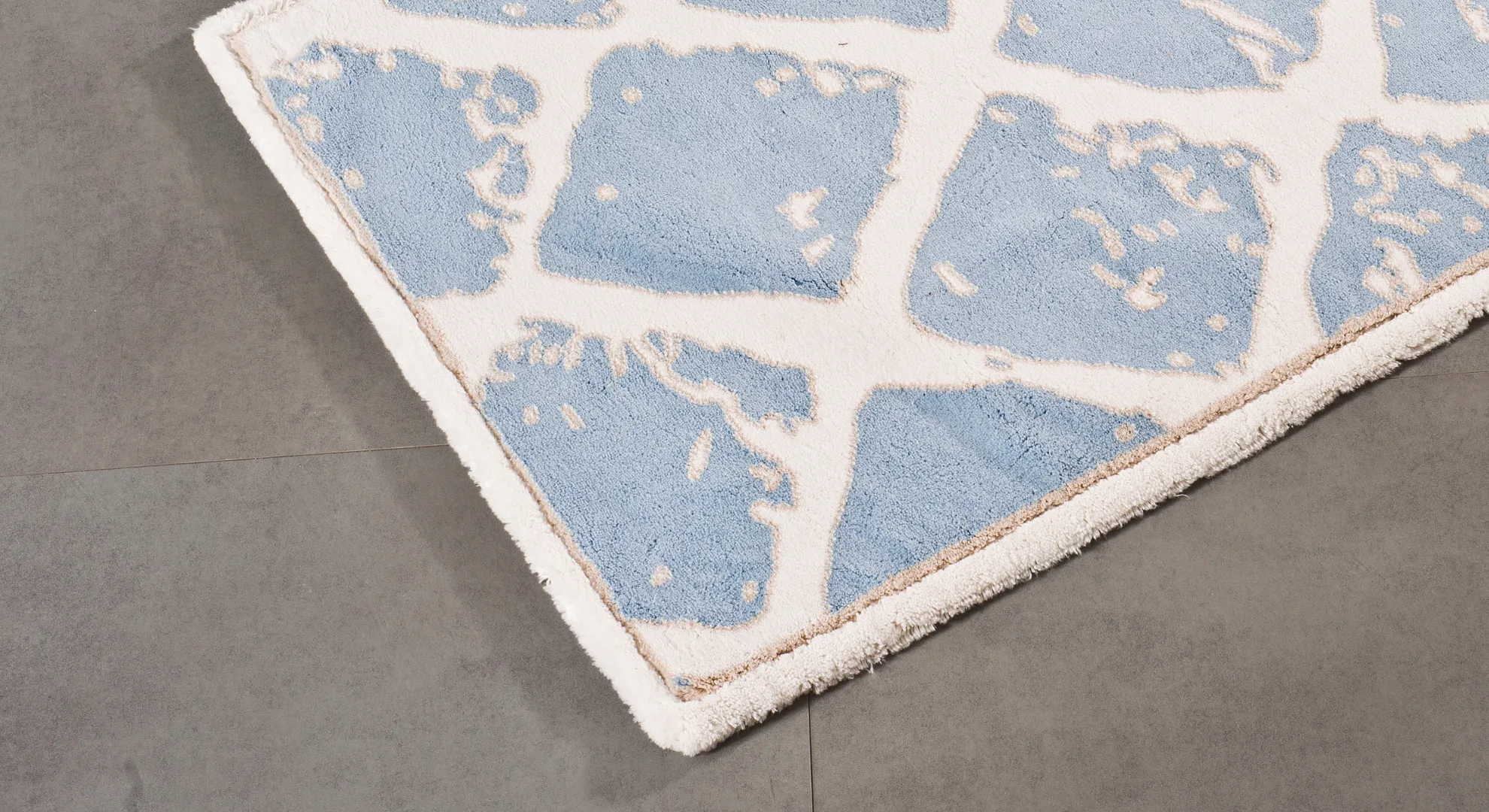
When it comes to updating your home or preserving a favorite rug, carpet binding is one of the most practical and budget-friendly options available. Whether you’re trimming a carpet remnant, salvaging a damaged area rug, or customizing a new runner for your hallway or staircase, carpet binding provides flexibility without sacrificing style.
In Phoenix and Scottsdale, where desert living meets interior elegance, carpet binding has become a go-to service for homeowners looking to refresh spaces without replacing an entire floor covering. If you’re wondering what carpet binding is, when to consider it, and where to get it done in the Valley, this guide is for you.
What Is Carpet Binding?
Carpet binding is the process of applying a finished edge to a cut piece of carpet. Without binding, carpet edges will fray and unravel over time. Binding transforms carpet remnants, old rugs, or custom cuts into fully finished area rugs, runners, mats, or stair treads.
There are typically three types of carpet edge finishing:
-
Standard binding: Uses a durable polyester or cotton tape sewn around the edge.
-
Serging: Mimics the look of hand-sewn yarn wrapping around the edge, giving it an upscale, finished appearance.
-
Fringing: Often used on oriental or traditional rugs to add a decorative, tassel-like finish.
Why Arizona Homeowners Choose Carpet Binding
Arizona homes often feature tile or hardwood flooring, particularly in areas such as Scottsdale and Paradise Valley. Area rugs add warmth and softness to these hard surfaces, particularly in bedrooms, living rooms, and hallways.
But instead of shopping for expensive new rugs, many local homeowners are turning to carpet binding services to create:
-
Custom-sized runners for long hallways
-
Area rugs are made from leftover carpet after a remodel
-
Stair treads for hardwood stairs
-
Replacement rugs for RVs or boats
-
Pet mats or children’s play mats
With carpet binding, you can repurpose materials you already own or select from a broad range of remnants at local carpet stores to create a high-end look for less.
Common Carpet Binding Use Cases in Arizona Homes
1. Repurposing Leftover Carpet After Installation
After a new carpet installation in Phoenix or Scottsdale, many homeowners are left with large, high-quality remnants. Instead of tossing them or storing them in the garage, these pieces can be transformed into perfectly sized rugs or hallway runners.
2. Refreshing Frayed Rugs
Arizona dust and sand can be tough on area rugs. Over time, edges may wear or fray, particularly in high-traffic areas such as entryways and family rooms. Carpet binding repairs the damage, extending the life of the rug.
3. Custom Rug Shapes and Sizes
With open floor plans and luxury custom homes common in Scottsdale, it’s not unusual to need rugs in unusual sizes or shapes. Carpet binding allows you to customize:
-
Circular rugs for foyers
-
Long narrow runners
-
Rugs for oddly shaped seating areas
-
Cut-outs for floor vents or fireplaces
4. Commercial Uses
In the Phoenix area, small businesses and office spaces frequently require mats, runners, or entryway rugs featuring custom branding or colors. Binding offers a clean, professional finish that matches your flooring and decor.
Benefits of Carpet Binding
-
Cost-Effective: Significantly less expensive than purchasing new rugs.
-
Customizable: You choose the exact size, shape, and binding color.
-
Eco-Friendly: Repurposes materials that would otherwise be discarded.
-
Quick Turnaround: Many local shops offer completion times of 24–72 hours.
-
Perfect for Rentals or Remodels: Ideal for homeowners or property managers seeking short-term, high-impact updates.
How Much Does Carpet Binding Cost in Phoenix?
Prices for carpet binding vary based on the size of the rug and the type of finish.
-
Standard binding: $1 to $3 per linear foot
-
Serging: $3 to $6 per linear foot
-
Fringing or decorative edging: May cost more depending on materials and labor
To get an accurate quote, measure the length of all edges being finished. For example, a 5×8 rug has a total perimeter of 26 feet. At $2 per linear foot, binding would cost around $52.
Carpet Binding vs. Buying New Rugs: What’s Better?
In many cases, binding a carpet remnant offers greater value than purchasing a new area rug. Here’s why:
| Binding a Remnant | Buying a New Rug |
|---|---|
| Custom size and shape | Fixed dimensions only |
| Matches existing carpet or decor | May not match the flooring |
| Typically cheaper | It can be expensive for large areas |
| Eco-friendly | Often made with new materials |
| Quick local turnaround | May require shipping or special order |
Tips for Maintaining Your Bound Carpet
To extend the life of your bound carpet piece:
-
Vacuum regularly to keep dust from wearing down the edges
-
Use a rug pad to prevent slippage and reduce wear
-
Avoid dragging heavy furniture across the edge
-
Clean spills promptly to avoid staining
Rotate the rug every few months if it’s in a high-traffic area. Carpet binding can enhance acoustics, add softness, and protect the flooring in Scottsdale homes, which often feature large open areas and hard surfaces like travertine or concrete.
Give New Life to Your Carpet
Carpet binding is a smart, stylish, and sustainable way to enhance your home without overspending. Whether you’re refreshing a well-loved rug, customizing a runner for your hallway, or utilizing high-quality remnants, the results can be both beautiful and budget-conscious.
If you’re in Phoenix or Scottsdale and ready to create a custom area rug or fix a frayed edge, carpet binding might be the perfect solution. Look for a trusted local provider, bring your ideas or materials, and transform ordinary carpets into something custom-made for your space.
Need help with a rug or carpet project? Please reach out to First Class Green Cleaning today to explore the possibilities.


